The Largest Controllable Cost You're Not Controlling
For most commercial real estate portfolios, utility expenses rank among the top three operating costs. Yet unlike insurance or property taxes, utilities rarely receive the strategic attention they deserve. The result is a persistent blind spot that quietly erodes net operating income across every property in the portfolio.
Where the Money Goes
Utility costs in commercial properties are driven by a combination of rate structures, consumption patterns, and vendor relationships that are rarely optimized at the portfolio level.
- •Rate structures go unreviewed. Many properties remain on default utility rate plans that don't reflect their actual consumption profile. A simple rate analysis can reveal savings of 10 to 15% without any capital investment.
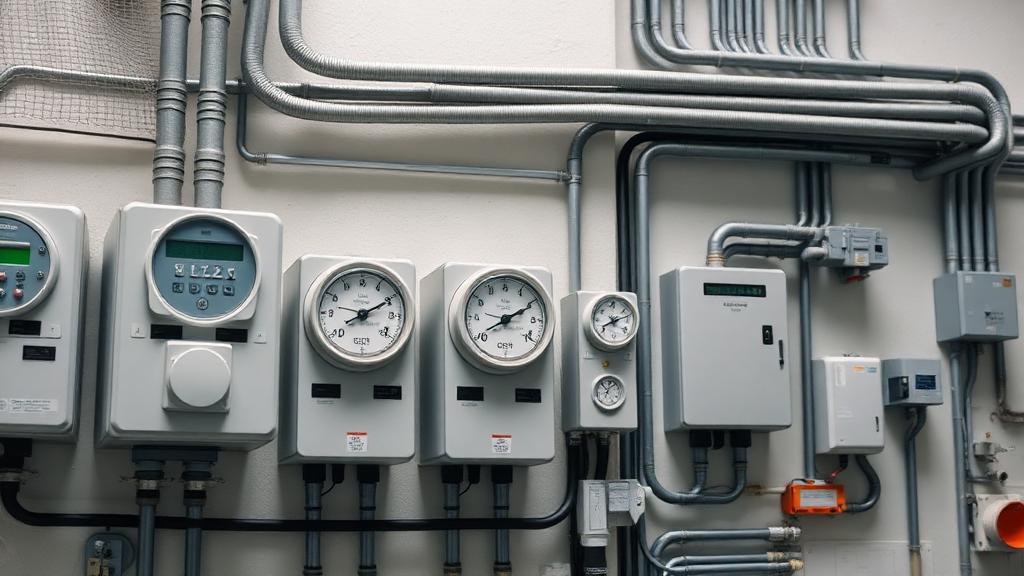
- •Submetering gaps create waste. Properties without proper submetering lack the granularity to identify where energy is being consumed inefficiently. Without data, there's no accountability.
- •Vendor contracts for energy services are fragmented. When each property negotiates independently for services like lighting retrofits, HVAC maintenance, or energy management systems, the portfolio loses the leverage that comes with scale.
The Portfolio Advantage
A national vendor management approach to utilities treats the entire portfolio as a single entity for negotiation and oversight. This means better pricing on energy procurement, coordinated vendor selection for efficiency projects, and consistent benchmarking across properties.
The goal isn't to replace your property teams. It's to give them the data, contracts, and vendor relationships they need to operate more efficiently.
What Optimized Utility Management Looks Like
When utility vendor management is coordinated at the national level, property teams gain access to:
- •Competitive energy procurement across deregulated markets
- •Benchmarking data that identifies underperforming properties
- •Vendor accountability through contract compliance monitoring
- •Consolidated reporting that gives ownership real visibility into utility spend
These aren't theoretical benefits. They translate directly to reduced operating costs and improved NOI across the portfolio.
Start With Visibility
The first step to controlling utility costs is understanding what you're actually spending. Most portfolios lack a consolidated view of utility expenses across properties, and that's where the opportunity begins.
Frequently Asked Questions
- What are the largest controllable costs in commercial real estate?
- Utility expenses consistently rank among the top three controllable operating costs for commercial real estate portfolios, alongside maintenance and vendor services.
- How much can a utility rate analysis save?
- A simple rate analysis, reviewing whether properties are on the optimal utility rate plan for their consumption profile, can reveal savings of 10 to 15% with no capital investment required.
- Why should utility management be coordinated at the portfolio level?
- Portfolio-level coordination provides pricing leverage through aggregated spend, consistent benchmarking across properties, and unified reporting that gives ownership real visibility into utility costs and performance.
Nexus National
National vendor management for commercial real estate portfolios.
Ready to Optimize Your Portfolio?
Contact us to learn how Nexus National coordinates vendor services across commercial real estate portfolios nationwide.